
Coping with Panic Attacks
If you’ve ever felt your heart race on a packed Red Line train or experienced sudden shortness of breath in a crowded Loop office building, you’re not alone. Panic attacks don’t just happen randomly—certain environments in Chicago create the perfect storm of triggers that can send your nervous system into overdrive.
Understanding where and why panic attacks tend to strike can help you prepare, cope, and ultimately regain control. Let’s explore five Chicago locations where panic attacks are most common and what you can do about them.
1. The CTA During Rush Hour: When There’s No Escape Route
The Trigger: Crowded trains, no personal space, inability to exit, underground tunnels, delays
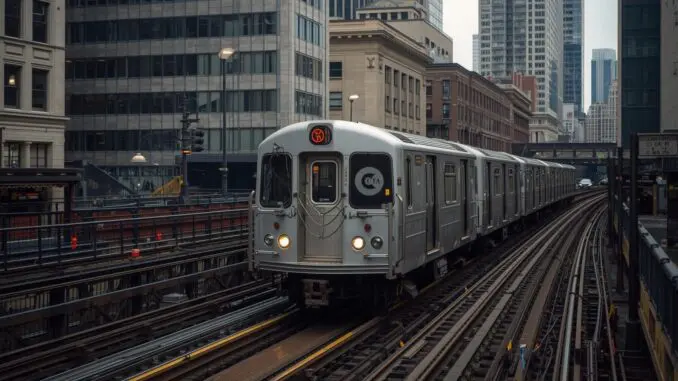
Picture this: You’re squeezed into a Red Line car at 8:30 AM, packed shoulder-to-shoulder with commuters. The doors close. The train stops in the tunnel between stations. The lights flicker. Suddenly, you can’t breathe.
The CTA during rush hour combines multiple panic attack triggers into one experience. The lack of personal space activates your brain’s “trapped” response. The inability to exit quickly triggers feelings of being out of control. For many people, being underground in a tunnel adds an extra layer of claustrophobia.
What Makes CTA Panic Attacks Worse
Chicago commuters know the drill—delays are inevitable. But when you’re already feeling anxious, a five-minute delay can feel like an eternity. Your mind starts spiraling: “What if I can’t get off? What if I pass out? What if everyone notices?”
The physical symptoms intensify: racing heart, sweating (which you might attribute to the crowded train), tunnel vision, and that overwhelming urge to escape. But there’s nowhere to go.
How to Cope
Before boarding:
– Take the express train when possible to minimize stops in tunnels
– Position yourself near doors or in the vestibule area
– Consider off-peak travel times if your schedule allows
– Have your “exit plan” ready (which stop you’ll get off at if needed)
During an attack:
– Focus on one object in the train car (a sign, someone’s jacket color)
– Practice 4-7-8 breathing: inhale for 4, hold for 7, exhale for 8
– Remind yourself: “This train will move. Trains always move. I have gotten off trains before.”
– Use grounding techniques: name 5 things you can see, 4 you can touch, 3 you can hear
Long-term solution: If CTA panic attacks are disrupting your daily life, professional help can teach you specific techniques to desensitize your nervous system to these triggers. Cognitive behavioral therapy for panic attacks has proven particularly effective for commute-related anxiety.
2. High-Rise Office Buildings in the Loop: The Pressure Cooker Effect
The Trigger: Elevators, high floors, fluorescent lighting, open-plan offices, work burnout, performance pressure
The Loop isn’t just Chicago’s central business district—it’s a concentrated zone of high-stakes environments where panic attacks frequently emerge. Many of our clients who work in Loop office towers describe a specific pattern: the panic doesn’t hit during the stressful meeting or urgent deadline. It strikes in the elevator on the way up, or at their desk during what should be a calm moment.
The Elevator Experience
Chicago’s downtown is filled with historic and modern high-rises. Getting to your office on the 40th floor means starting your day in a small metal box that rises hundreds of feet into the air. For people prone to panic attacks, elevators combine multiple triggers:
- Enclosed space with no immediate exit
- Physical sensation of movement and altitude
- Crowded conditions during morning rush
- Worry about having a panic attack in front of colleagues
Many people with elevator anxiety start taking the stairs—which works for the 4th floor but becomes impractical (and creates its own problems) when you work on the 35th floor.
Work Burnout and Panic: A Dangerous Combination
Here’s what many Loop professionals don’t realize: work burnout and panic attacks often feed each other. When you’re chronically stressed from long hours, demanding clients, and constant pressure to perform, your nervous system stays in a state of heightened alert. Your body is already operating near its stress threshold, so even minor triggers can tip you into a full panic attack.
You might notice:
– Panic attacks intensifying during busy seasons (tax time, end of quarter, major deals closing)
– Sunday evening panic as you anticipate the week ahead
– Physical symptoms at your desk: chest tightness, difficulty focusing, feeling trapped
– Avoidance behaviors: taking excessive sick days, avoiding certain floors or meetings
The Open-Plan Office Problem
Modern Loop offices often feature open floor plans—dozens or hundreds of desks with minimal privacy. While designed for collaboration, these spaces can be panic attack minefields. You feel exposed. Everyone can see you. If you have a panic attack, there’s no private space to recover. The fluorescent lighting, constant noise, and lack of personal space keep your nervous system on edge.
How to Cope
Immediate strategies:
– Identify a “safe space” in your building: a less-used stairwell, a quiet conference room, the building lobby
– Keep a grounding object at your desk: a smooth stone, stress ball, or textured item
– Use “reset” moments: bathroom breaks, water cooler trips, walking to a colleague’s desk
– Practice desk-based breathing that won’t draw attention (slow, deep breaths through your nose)
For elevator panic:
– Take the elevator before or after peak times when it’s less crowded
– Stand near the buttons so you feel more in control
– Use the stairwell for short trips (even just a few floors) to build confidence
– Focus on the numbers counting up rather than the sensation of movement
Address the root cause:
If work burnout is contributing to your panic attacks, it’s worth examining whether your job is sustainable long-term. Many of our Loop clients discover through therapy that addressing the burnout actually reduces panic attack frequency more effectively than just managing panic symptoms alone.
3. Lake Shore Drive in Traffic: The Trapped in Your Car Experience
The Trigger: Gridlock, inability to exit highway, bridge lifts, construction zones, accident delays
Lake Shore Drive is one of Chicago’s most scenic routes—until you’re stuck in bumper-to-bumper traffic with nowhere to go. Traffic-related panic attacks are surprisingly common, especially on highways and bridges where you can’t simply pull over and exit.
Why Highway Panic Attacks Happen
When you’re stuck in traffic on LSD during rush hour, your brain registers: “I can’t get out of this situation.” That perception of being trapped—even though you’re technically in the safety of your own car—can trigger a panic response.
Common scenarios:
– Stopped on the bridge near McCormick Place with the Draw opening for boats
– Construction merging three lanes into one
– Accident ahead with emergency vehicles blocking all lanes
– Rush hour crawl between downtown and the North Side neighborhoods
The panic intensifies because you’re also responsible for operating a vehicle. The thought “What if I lose control of my car?” adds another layer of fear.
How to Cope
Prevention:
– Use navigation apps (Waze, Google Maps) to avoid traffic before it happens
– Keep the temperature cool in your car—heat can intensify panic symptoms
– Have calming music, podcasts, or audiobooks ready (avoid news or stressful content)
– Know your exit options: where can you pull off if you need to?
During traffic panic:
– Pull into the right lane if possible (easier to exit if needed)
– Put your hazard lights on if you need to stop briefly
– Roll down windows for air circulation
– Use the “54321” grounding technique: name 5 things you see, 4 things you hear, 3 things you can touch in your car, 2 things you can smell, 1 thing you can taste
– Remember: traffic always moves eventually—you won’t be stuck forever
Alternative routes:
Consider surface streets like Sheridan Road when Lake Shore Drive feels too triggering. Yes, it takes longer, but knowing you can pull over and park provides psychological relief that might prevent the panic attack altogether.
4. Crowded Events: Navy Pier, Lollapalooza, and Street Festivals
The Trigger: Dense crowds, blocked exits, overstimulation, heat, noise, lack of escape routes
Chicago summers bring an onslaught of festivals, concerts, and crowded tourist destinations. While these events are meant to be fun, they can quickly become overwhelming for people prone to panic attacks.
The Navy Pier Experience
Navy Pier is one of Chicago’s top tourist destinations, which means it’s often packed with thousands of people, especially on summer weekends. The pier itself extends into Lake Michigan—there’s literally only one way in and one way out by foot. This creates a psychological trap sensation.
Add summer heat, long lines, crying children, and the sensory overload of lights, sounds, and smells, and you have an environment that can trigger panic even in people who don’t typically experience attacks.
Festival Season Panic
Lollapalooza, Taste of Chicago, neighborhood street festivals, the Chicago Air and Water Show—these events draw massive crowds into confined spaces. For many people, the tipping point comes when they realize they can’t easily leave. You’re surrounded by thousands of people, separated from your group, and every exit route is blocked by the crowd.
Physical symptoms worsen in the heat: sweating, dizziness, rapid heartbeat. But now you can’t tell if these are panic symptoms or heat exhaustion, which creates more panic.
How to Cope
Before attending:
– Go during off-peak times: weekday afternoons rather than Saturday nights
– Study the map: know where exits are before you arrive
– Have a meet-up plan if separated from your group
– Stay hydrated and eat before arriving
– Set a time limit: “We’ll stay for 2 hours, then reassess”
During a panic attack in a crowd:
– Move to the perimeter of the event, not deeper in
– Find a spot against a wall or building (solid structure is psychologically grounding)
– Tell your companions: “I need to step away for a minute”
– Focus on your breathing, not the crowd
– Remind yourself: “I can leave. I am not actually trapped. This is temporary.”
Permission to leave:
Give yourself full permission to leave early if needed. No event is worth triggering a severe panic attack. Your friends will understand, and if they don’t, they’re not your people.
5. The Red Line After Dark: Safety Fears and Anxiety
The Trigger: Safety concerns, empty train cars, unpredictable behavior, being alone, late-night atmosphere
Taking the Red Line late at night creates a different type of panic trigger than rush hour crowds—this one’s rooted in safety concerns and the unpredictability of late-night CTA riders.
The Psychology of Empty Train Cars
During rush hour, crowds can trigger panic. But late at night, an empty train car can be equally triggering—especially if you’re riding alone. Your brain goes into hypervigilance mode: scanning for threats, planning escape routes, monitoring every person who enters the car.
This constant state of alertness is exhausting. It keeps your nervous system activated, making you more susceptible to panic attacks.
Why Late-Night CTA Triggers Panic
- Unpredictable passengers: Individuals experiencing homelessness, mental health crises, or substance use
- Reduced safety presence: Fewer CTA employees visible on platforms
- Longer wait times: Standing alone on a platform at midnight feels very different than at noon
- Safety statistics: Awareness of incidents on the CTA, even if your own risk is statistically low
- Limited exit options: Fewer trains running means waiting longer if you get off early
Your logical brain might know you’re probably safe, but panic attacks aren’t about logic—they’re about perceived threat.
How to Cope
Practical safety measures (which reduce anxiety):
– Sit in the first car near the train operator
– Stay near other commuters rather than in empty sections
– Have your phone charged and accessible
– Use ride-sharing for late-night travel when feasible
– Travel with friends when possible
Managing the anxiety:
– Recognize the difference between reasonable caution and panic
– Practice self-compassion: “My nervous system is trying to protect me”
– Use grounding techniques to stay present rather than catastrophizing
– Focus on what you can control: your seat choice, your awareness, your exit plan
If late-night CTA anxiety is limiting your life:
Many Chicagoans start avoiding evening events entirely because they can’t face the train ride home. If this sounds familiar, it might be time to seek professional support for panic attacks. You deserve to enjoy Chicago’s nightlife without debilitating anxiety.
When Panic Attacks Become a Pattern: Time to Seek Help
Experiencing a panic attack in one of these high-stress Chicago locations doesn’t necessarily mean you have panic disorder. Many people have a single panic attack and never experience another.
But if you notice a pattern—avoiding the CTA, calling in sick to avoid your Loop office, declining social invitations to festivals, or feeling constant dread about these situations—it’s worth seeking professional help.
Signs You Should See a Therapist
- You’ve had multiple panic attacks in similar locations
- You’re avoiding places or activities because you fear having a panic attack
- Panic attacks are affecting your work, relationships, or daily life
- You’re experiencing constant anxiety about the possibility of another panic attack
- You’ve developed agoraphobia: fear of places where escape might be difficult
How Therapy Helps
Cognitive behavioral therapy (CBT) is the gold standard treatment for panic attacks and panic disorder. Unlike just “managing” panic when it strikes, therapy addresses the root causes and helps retrain your nervous system’s response.
In therapy, you’ll learn:
– Why panic attacks happen (they’re not random)
– How to identify your specific triggers in Chicago environments
– Techniques to interrupt the panic cycle before it escalates
– Gradual exposure strategies to reclaim the places you’ve been avoiding
– How to differentiate between real danger and perceived threat
Many of our Chicago clients are surprised to discover that their panic attacks significantly decrease—or even stop—within a few months of consistent therapy. The goal isn’t just to cope better; it’s to live freely without the constant shadow of panic.
Your Chicago, Reclaimed
Chicago is an incredible city. But for people struggling with panic attacks, each of these locations can feel like a minefield. The good news? You don’t have to live this way.
Whether your panic strikes on the crowded Brown Line, in your Loop office elevator, stuck in traffic on Lake Shore Drive, surrounded by crowds at Navy Pier, or alone on the Red Line at night—these reactions are your nervous system’s misguided attempt to protect you. With the right tools and support, you can retrain that response.
If panic attacks are keeping you from fully experiencing Chicago, we’re here to help. At Calm Anxiety CBT Therapy Clinic, we specialize in evidence-based treatment for panic attacks and panic disorder, tailored specifically to the unique challenges of living and working in Chicago.
Ready to reclaim your city? Contact us today to schedule a consultation.
Calm Anxiety CBT Therapy Clinic serves clients throughout Chicago’s North Side neighborhoods, including those who work in the Loop and surrounding areas. We offer both in-person and telehealth appointments for anxiety, panic attacks, work burnout, and related concerns.